


Philippians 4:10–15, Thursday, July 30, 빌립보서 4:10-15, 7월30일 목요일
- Bkumc 열린교회
- 2분 전
- 4분 분량

"나는 어떤 처지에서도 스스로 만족하는 법을 배웠습니다." (빌 4:11, 새번역)
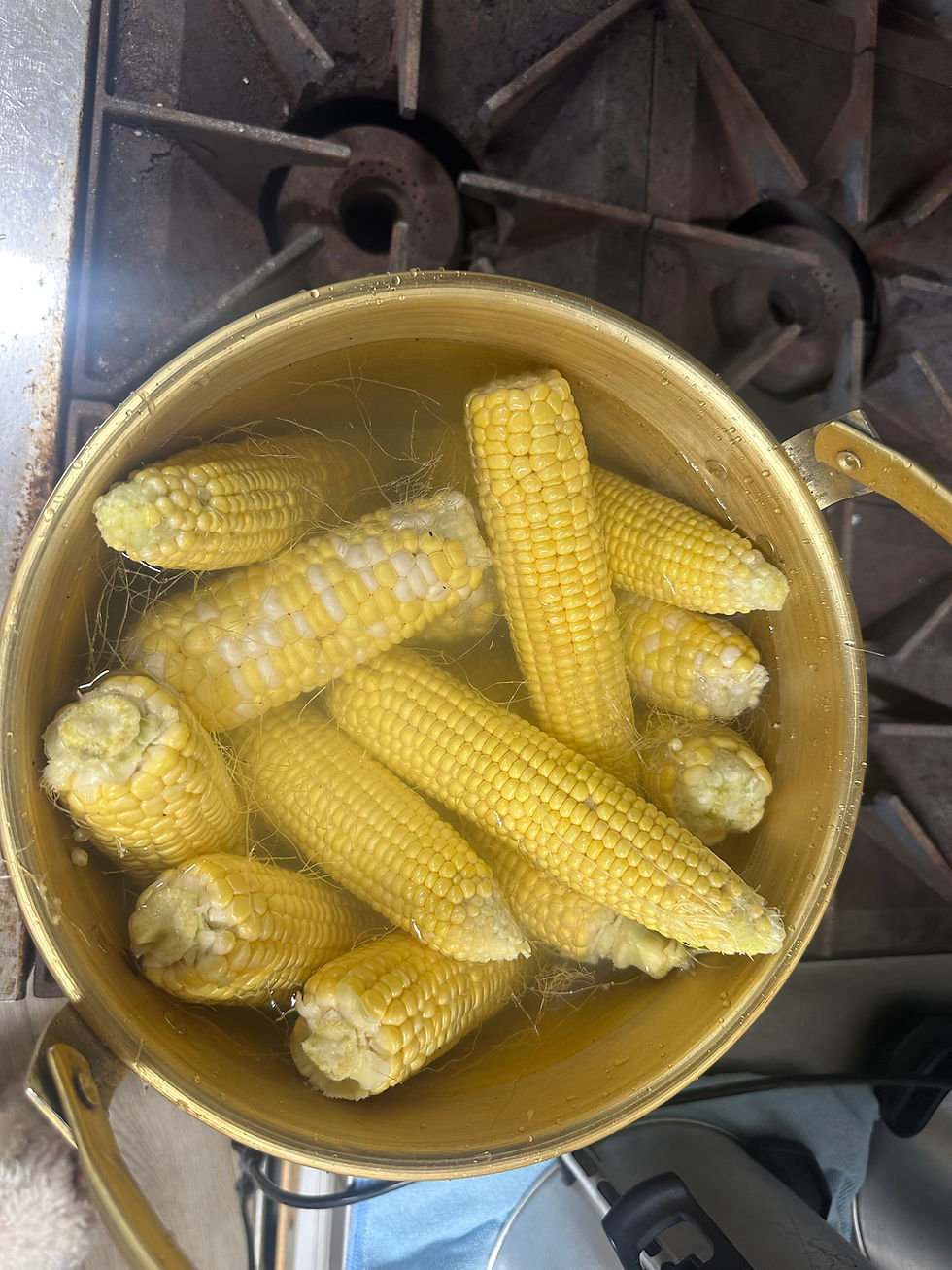
교회 밭에 옥수수가 익어서 수확을 했습니다. 옥수수 자체가 달큰 하다보니까 개민들이 겉에는 많이 붙어있어도 껍질을 까다보면 안에 단단하게 잘 익은 옥수수를 수확할 수 있었습니다.
한국에서 이 밭에 3배정도 옥수수 농사를 지은적이 있습니다. 그때도 교회 텃밭이었는데 소위 무관심 농법으로 찰옥수수를 수확한적이 있습니다. 김을 매지 않기 위해 비닐을 씌운것 이외에는 아무것도 한적없지만, 하늘은 제법 많은 옥수수를 수확하게 했습니다.
이번에도 한 스무개정도를 따놓고는 어떻게 할지 고민하다 바로 교회에서 물에 쪄야겠다고 생각했습니다. 오며 가며 들른 분들이 한두개씩 짚어가고 제가 먹다보니 4개를 먹는 것을 보고 이러다가 다먹겠다 싶어서 집으로 가져갔습니다. 왠만큼 심어야 교인들과 나눠먹는데 그러지 못하고 혼자 먹은 기분에 불편하면서도 맛있어하는 이 애마한 기분으로 오늘 하루를 시작합니다.
농부가 수확을 위해 흘린 땀을 생각해보면 정말 거져 먹는 것 같은 것이 가장 불편합니다.
빌립보교회는 바울의 든든한 재정적 후원교회였습니다. 바울이 아시아를 넘어 유럽에 세운 최초의 교회가 빌립보교회입니다. 자주옷감장수 루디아를 만나곳이 빌립보의 문밖 강가, 안식일에 정결예식을 위해 물가로 나온것을 바울이 일부러 찾아가 만납니다. 그리고 복음을 전해서 예수를 믿고 그 자리에서 세례를 받은 것이 빌립보교회의 시작입니다.
이런 빌립보교회는 바울이 사역을 하는 곳마다 끊이지 않고 사역을 후원합니다. 바울도 다른 곳에서 물질적인 후원을 받았다는 기록은 없지만, 빌립보교회의 후원은 공개적으로 감사를 표하고 특히 개인적인 필요를 위해 사용했다고 합니다.
그렇다고 바울이 당연하게 받았을까? 바울은 비천에 처할줄도 알고 풍요에 처할줄도 안다고 이야기한것으로 봐서는 스스로 자족할줄 알기 위해 노력해왔다고 이야기합니다. 이것도 더 중요한 것은 자신의 고난중에도 함께 빌립보교회에 대한 감사가 더 크다고 고백합니다.
당연한것은 없습니다. 부모와 자식간에도 마음을 쓰고 희생을 통해 관계가 세워집니다. 가끔 당연하듯 자신의 권리를 주장하는 분들을 보면, 자족에 대한 고민과 지혜를 나누고 싶은 마음이 듭니다.
예전에 교회에서 신학생으로 아마 여름행사 준비를 할때 교회 사찰집사님이 물을 환하게 키고 있는 저를 보면서, 전도사님!은 이제 앞으로 개척교회를 해봐야 아낄줄 알지..이런 핀잔 비슷한걸 들은적이 있습니다. 그때는 발끈했던 기억이 있는데, 실제로 개척교회에서 사역을 할때 쓸데없이 세는 것 없애기 위해 노력한 기억이 있습니다.
무엇이든 풍요로워야 완벽하게 일이 될것 같지만, 스스로 자족할 줄 아는 지혜만큼 중요한게 없는 것 같습니다. 처해진 상황을 감사로 그 일을 하는 것! 쉽지 않은 것이지만, 그래도 감사할 수 있는 일이빈다.
묵상
하나님은 늘 우리와 함께하신다! 라는 의미속에서 자족의 이유를 찾을 수 있을 겁니다.
중보기도
여름성경학교가 내일부터 있습니다. 기도해주세요
유스와 청년, 장년사역을 위해서 기도해주세요! 질병가운데 있는 분들을 위해서 기도해주세요.
"I have learned to be content whatever the circumstances." (Philippians 4:11)
The corn in the church garden came in ripe, and we harvested it. Sweet corn tends to attract insects on the outside, but peel back the husks and what you find inside is solid and well-developed. A good harvest.
Back in Korea, I once grew corn in a church garden about three times the size of ours. The method could charitably be called minimal intervention — we laid down plastic sheeting to keep the weeds down, and after that, essentially nothing. No weeding, no fussing. And yet the sky provided, and we ended up with a respectable yield of glutinous corn.
This time, we picked about twenty ears and I found myself standing there wondering what to do with them. The obvious answer was to steam them right there at the church. People stopped by, picked one or two, and I ate some myself — and then I looked down and realized I had eaten four. At that point it seemed clear that if I stayed much longer, there would be none left for anyone else. So I took the rest home. The awkward feeling of having eaten so much while the congregation got so little — delicious and slightly mortifying at the same time. That is how this morning started.
When I think about the sweat a farmer pours into a harvest, eating food that just grew there without much effort on my part feels like the most uncomfortable kind of gift.
The church in Philippi was Paul's steadfast financial supporter. It was also the first church he planted in Europe — on Asian soil left behind, a new community born on the other side. It began at a riverside outside the city gates, where Paul sought out a group gathered for Sabbath prayer. There he met Lydia, a dealer in purple cloth. He shared the gospel, she believed, and she was baptized on the spot. That moment is the origin of the Philippian church.
From that beginning, the Philippians supported Paul's ministry everywhere he went, consistently and without interruption. Paul doesn't record receiving financial support from other churches, but the Philippians' generosity is openly acknowledged — used, he says, for his own personal needs.
Did he take it for granted? The answer seems to be no. He speaks of having learned to be content in every circumstance, whether in want or in abundance. This was not something that came naturally — it was learned. And even as he writes from prison, his gratitude for the Philippians' partnership runs deeper than any description of his own situation.
Nothing should be taken for granted. Even between parents and children, relationship is built through attention and sacrifice. When I see people asserting their rights as though things are simply owed to them, I find myself wanting to share something about the wisdom of contentment.
Years ago, when I was a seminary student helping prepare for a church summer program, one of the church custodians noticed me leaving all the lights blazing and said something I didn't receive well at the time: You'll learn to be more careful once you plant a church yourself. I bristled. But when I actually did plant a church, I found myself eliminating every unnecessary expense I could find. The memory of that comment came back differently then.
Abundance can feel like the prerequisite for doing things well. But the wisdom to be content with what is at hand may matter more than any surplus. Receiving what we have been given with gratitude, and working from that place — it is not easy. But it is something to be grateful for.
Reflection
The reason for contentment can be found in this: God is always with us.
Intercessory Prayer
Vacation Bible School begins tomorrow. Please pray.
Please pray for the youth, young adult, and congregation ministries. And please pray for those who are dealing with illness.


댓글